Compare Skip Hire vs Van Rubbish Removal in SE19
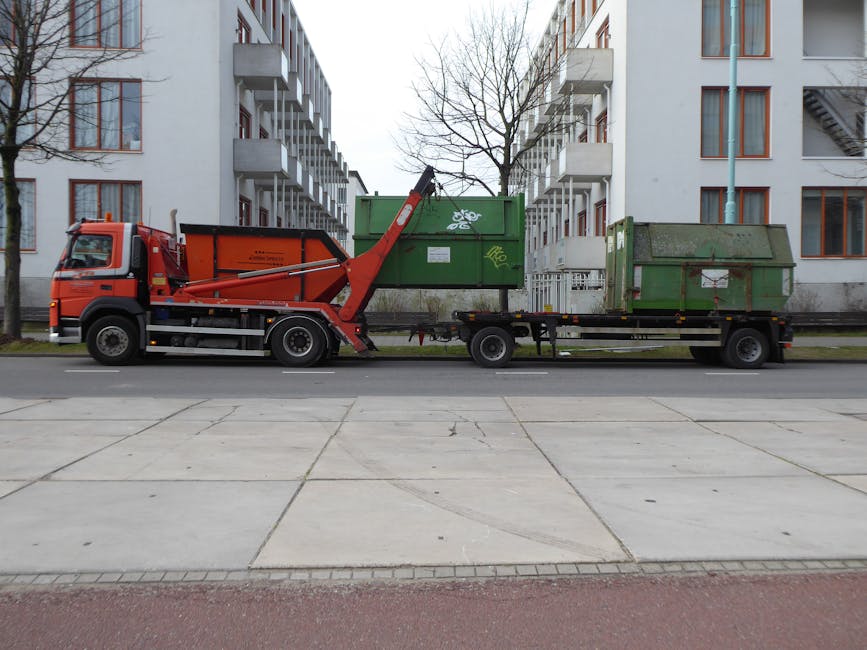
If you are planning a clear-out, a renovation, or just trying to get rid of a growing pile of waste, the choice can feel oddly difficult: should you book a skip or arrange van rubbish removal in SE19? Both options do the job, but they work very differently, and that difference matters a lot once you look at access, timings, cost, and how much mess you want to deal with yourself. In a place like SE19, where parking can be tight and not every street offers generous space, the right choice is rarely just about price. It is about the whole process.
This guide breaks down skip hire versus van rubbish removal in plain English, so you can decide what fits your property, your waste type, and your schedule. Along the way, you will see where each option shines, where it can frustrate you, and how to avoid those annoying little mistakes that turn a simple clearance into a half-day headache.
Why Compare Skip Hire vs Van Rubbish Removal in SE19 Matters
At first glance, skip hire and van rubbish removal seem like the same thing with different vehicles. Not quite. The practical difference is that a skip is a container left on or near your property for you to fill over time, while van rubbish removal is usually a same-day or scheduled collection where a team loads the waste for you and takes it away straight away.
That distinction matters more in SE19 than many people realise. Depending on where you live or work, you may be dealing with narrow roads, limited parking, a shared driveway, a flat with stairs, or a front garden that is not quite big enough for a skip. Some properties are simply better suited to one method than the other. And if you have ever tried to manhandle broken furniture through a hallway at 8am, you already know the value of a smoother plan.
People also compare these options for different reasons. Some want the cheapest route. Others want to minimise disruption. Some need help with heavy lifting, while others want a container they can fill gradually after weekends of sorting. Truth be told, the best service is often the one that matches your actual situation rather than the one that looks cheapest on paper.
For SE19 households, landlords, tradespeople, and small businesses, this choice often comes down to four things:
- how much waste you have
- how quickly it needs to go
- whether you can safely store waste on site
- how much lifting and sorting you want to do yourself
If you are exploring broader clearance support too, it can help to look at related services such as waste removal, home clearance, or house clearance if the job is larger than a simple load-and-go collection.
How Compare Skip Hire vs Van Rubbish Removal in SE19 Works
Skip hire usually starts with choosing a skip size, agreeing a delivery date, and finding space for it. The skip is then dropped off, you fill it at your own pace, and it is collected later. That sounds simple enough, and in many cases it is. But there are practical limits: access, placement, permit needs, and the fact that you are responsible for loading it.
Van rubbish removal works more like an assisted collection. You book a time, the team arrives, assesses the waste, and loads it for you. In many cases, the waste is removed on the spot, which is useful when you want the mess gone quickly or when you would rather not spend a whole weekend shifting awkward items.
Here is the everyday reality. A skip is often the better choice if you are doing a slow-burn project such as a loft clear-out, renovation leftovers, or a garden overhaul that will happen over several days. Van rubbish removal usually suits you better if you have already gathered everything and want it cleared in one efficient visit. A lot of people find that distinction only after they have made the wrong booking once. It happens.
In SE19, space is often the deciding factor. A skip can be fine if you have a drive, private land, or a spot where it can sit safely. But if you are in a flat, on a busy residential road, or dealing with restricted parking, a van collection may be far less stressful. You do not want to spend the morning moving your own car, then a neighbour's visitor parked half across the kerb, then the waste. Nobody needs that.
If your job is tied to household items, you may also want to compare it with specialist services such as furniture disposal, furniture clearance, or garage clearance, depending on what is actually being removed.
Key Benefits and Practical Advantages
Each option has clear strengths. The trick is knowing which strengths matter most to you.
Skip hire advantages
- Flexible loading time: ideal if your waste builds up gradually.
- Good for larger project volumes: useful for renovations, garden work, or bulky mixed waste.
- Less pressure on collection day: once the skip is delivered, you can chip away at the job.
- Handy for self-managed clear-outs: if you are sorting your own contents, it is straightforward.
Van rubbish removal advantages
- Fast clearance: excellent when you want the waste gone in one visit.
- No heavy lifting for you: the team does the loading.
- Better for tight spaces: often easier on streets where a skip would be awkward.
- Cleaner finish: once the van leaves, the area is clear almost immediately.
A practical point that gets missed a lot: van rubbish removal can reduce the hidden cost of your own time and effort. If you are hauling items downstairs, sorting bags, and breaking things apart yourself, the price difference between the two services can shrink fast. Not always, but often enough to matter.
Skip hire, on the other hand, can be useful when you want to keep the waste on-site while a project unfolds. A builder or homeowner working over several days may prefer that stop-and-start freedom. For construction-related waste, a dedicated builders waste clearance approach may be a better fit than trying to make a generic solution do all the work.
Who This Is For and When It Makes Sense
To be fair, this choice is not only about waste volume. It is also about lifestyle, property type, and how much disruption you can tolerate.
Skip hire tends to suit:
- homeowners doing phased decluttering
- DIY projects and refurbishments
- garden clear-outs with mixed green waste and bulky items
- people who can safely place a skip on private land
- projects where waste will be added over time
Van rubbish removal tends to suit:
- flat residents and renters with limited outside space
- people who want help lifting bulky items
- busy households needing a rapid turn-around
- landlords clearing a property between tenancies
- small offices or local businesses wanting minimal downtime
If you are a landlord, a letting agent, or someone clearing an inherited property, van collection is often the less tiring route because the team can simply remove the items and go. For a property with multiple rooms, flat clearance or office clearance may line up better with your needs than a skip sitting outside for a week.
There is also the "half-way" scenario. Maybe you have a garage full of old tools, a few bits of broken furniture, and some garden rubbish. You could use either method. In that case, ask yourself one honest question: do you want to spend your time loading, or do you want the pile gone with the least fuss? That usually answers it.
Step-by-Step Guidance
If you are comparing the two options properly, do it in a simple sequence. It avoids confusion and, frankly, saves money.
- List what needs to go. Separate bulky items, bagged waste, rubble, garden waste, wood, and anything that may need special handling.
- Estimate the volume. Think in practical terms: a few bin bags, a van load, or something closer to a full room of waste?
- Check access. Consider staircases, parking, narrow entrances, and whether a skip would block anything important.
- Think about loading effort. If you cannot or do not want to carry the waste, van rubbish removal usually becomes the better option quickly.
- Decide on timing. If the waste is ready now, same-day or next-day collection may be more helpful than waiting for a skip delivery window.
- Ask about acceptable materials. Not all waste streams are treated equally, especially if there are electrical items, soil, plasterboard, or mixed construction waste involved.
- Compare total value, not just the headline price. Include labour, time, parking hassle, and possible permit costs if a skip needs to sit on public land.
At this stage, some people realise they actually need a broader removal service rather than just simple disposal. That is normal. A deeper clear-out might be better handled through house clearance, home clearance, or even loft clearance if the mess is sitting somewhere you forgot existed until this weekend.
One small but important habit: take photos before you book. A couple of decent pictures of the waste pile, the access route, and the parking situation make a huge difference. It helps avoid guesswork and awkward surprises. Nobody likes opening the door to a collection team and hearing, "Oh, that is bigger than we thought."
Expert Tips for Better Results
After handling plenty of clear-outs, a few practical tips stand out.
- Sort before collection if you can. Keep reusable items apart from genuine waste. It makes the job cleaner and often more efficient.
- Flatten where safe and sensible. Dismantling bulky furniture can reduce volume, but only if it does not turn into a half-broken, jagged mess.
- Keep access clear. A tidy route from the property to the vehicle saves time and lowers the chance of damage.
- Be honest about awkward items. Oversized wardrobes, soaked carpets, and heavy rubble all change the job.
- Book around your day, not against it. If you are juggling school runs, work calls, or building trades, a clear timing plan matters more than it sounds.
If sustainability matters to you, ask how the waste is sorted and diverted where possible. A responsible provider should be able to explain their approach in simple terms. You can also read about broader recycling and sustainability commitments before you book. It is one of those things people often skip, then wish they had asked about later.
One more thing: do not assume a larger vehicle automatically means better value. Sometimes a smaller, faster van job is more economical because it fits the waste precisely and avoids the awkward middle ground. A bit like choosing the right size box for moving day - too big and you waste space; too small and you make extra trips. Simple, but easy to miss.
Common Mistakes to Avoid
This is where many people trip up, usually for very understandable reasons. Waste removal is not the most glamorous of tasks, after all.
- Choosing on price alone. Cheap is not always cheap once labour, access, or extra visits are added.
- Underestimating volume. A pile that "looks small" in the corner often turns into a truckload once it is all gathered together.
- Ignoring access problems. A skip may block parking or need more space than expected; a van may struggle if the route is too tight.
- Forgetting about heavy lifting. If you are the one carrying it all, that hidden effort matters.
- Mixing unsuitable items. Some items need special handling, so do not assume everything can be loaded together.
- Leaving booking until the last minute. Same-day pressure makes decisions worse. It always does.
Another easy mistake is assuming a skip is automatically best for DIY. If the job is in a flat, up multiple flights of stairs, or involves lots of awkward furniture, the skip may just become a static reminder of how tiring the project is. Sometimes the smarter move is a team with a van and a strong back. Simple as that.
Tools, Resources and Recommendations
You do not need a complicated toolkit to make a good decision, but a few practical resources help.
- Waste inventory list: write down every item or category of waste before you book.
- Photos and measurements: useful for access checks and estimating how much space is needed.
- A basic room-by-room note: helpful for house, loft, or garage clearances where waste is spread out.
- Calendar timing: match the removal to your move-out date, delivery day, or builder schedule.
- Payment and paperwork review: check what is included and keep confirmation handy.
For many readers, a wider service route may be more practical than arranging disposal on its own. If the waste is part of a larger domestic clear-out, pages such as garage clearance, garden clearance, or furniture clearance may give a better sense of what is included.
When in doubt, ask for a clear explanation of how the job will be handled from start to finish. A good service should make the process feel easier, not more mysterious. And if it sounds vague, that is usually your sign to keep asking questions.
Law, Compliance, Standards, or Best Practice
Any waste removal job in the UK should be handled carefully and responsibly. You do not need to be a compliance expert to make a sensible choice, but you do need to use a provider that understands waste duty of care and sensible handling practices.
In practical terms, that means a few things. Waste should be taken away by people who know how to manage it properly, it should not be fly-tipped, and it should be sorted and disposed of in line with accepted industry practice. If a provider cannot explain where the waste goes, that is not reassuring. Not even a little.
For skips, placement and access can also matter. If a skip needs to sit on a public road, permission may be required from the relevant local authority. The exact process can vary, so it is wise to check before you book rather than after the lorry arrives. For van rubbish removal, the main compliance concern is ensuring that the waste is carried, transferred, and processed responsibly.
It is also smart to think about safety. Heavy lifting, sharp edges, broken glass, and damp materials can all cause problems if the job is rushed. A provider with clear health and safety standards is usually easier to trust. If you want a better feel for how a business approaches this side of things, it can help to read pages like health and safety policy, insurance and safety, and terms and conditions.
Options, Methods, or Comparison Table
Here is a straightforward comparison to help you weigh the two approaches without overcomplicating things.
| Factor | Skip Hire | Van Rubbish Removal |
|---|---|---|
| Best for | Gradual waste over several days | Quick one-off clearances |
| Labour | You usually load it yourself | Team does the lifting |
| Speed | Slower overall, but flexible | Usually faster and more immediate |
| Space needed | Requires room to place the skip | Needs vehicle access, but less static space |
| Disruption | Can affect parking or frontage | Shorter on-site disruption |
| Ideal property types | Houses with driveways or private land | Flats, tighter roads, restricted access homes |
| Good for bulky items | Yes, if you can lift and load them | Yes, especially if you need help carrying them |
| Typical value point | When time and access are on your side | When effort and speed matter most |
So which wins? Honestly, neither wins every time. Skip hire tends to suit bigger, slower, self-managed projects. Van rubbish removal usually wins for convenience, speed, and tight-access properties. The right answer is the one that fits the job in front of you, not the one that sounds best in the abstract.
Case Study or Real-World Example
Imagine a typical SE19 flat clear-out. The tenant has old wardrobes, a broken bed frame, three bulky chairs, and a pile of mixed bags from the loft. The property is on an upper floor, parking is limited, and the waste needs to be gone before a move-out inspection the next morning.
A skip sounds tempting at first, especially if the person thinks they can fill it over a few evenings. But once the stairs, the parking, and the timing are factored in, van rubbish removal becomes the more realistic choice. The team arrives, removes the items in one visit, and leaves the space ready for cleaning. Less stress. Less back-and-forth. Much better outcome.
Now flip the scenario. A homeowner in SE19 is renovating a garden shed and clearing old timber, soil, broken pots, and construction offcuts over a long weekend. They have space on the drive, the project will last two or three days, and the waste will appear in batches. In that case, skip hire may be the more convenient fit because it stays there while the work unfolds.
That is the real lesson, really. The best choice depends on the shape of the job, not just the amount of rubbish.
Practical Checklist
Use this checklist before you book anything:
- Have I listed every item that needs removal?
- Do I know whether the waste is bulky, heavy, mixed, or fragile?
- Is there enough space for a skip, or is access too tight?
- Would I rather load the waste myself or have it carried out for me?
- Do I need same-day or next-day removal?
- Could the job be better handled as a broader clearance service?
- Have I checked whether any items need special handling?
- Do I understand the total cost, including any possible extras?
- Have I reviewed the provider's safety, payment, and policy information?
- Am I choosing the option that makes my day easier, not harder?
If you can answer those honestly, you are already ahead of most people making the same decision in a hurry.
Get a free quote today and see how much you can save.
Conclusion
Comparing skip hire vs van rubbish removal in SE19 is really about matching the service to the reality of your property and your timeline. If you have space, time, and a project that stretches out over days, a skip can work well. If you want quick removal, help with lifting, and less disruption on the day, van rubbish removal often makes more sense.
The smartest choice is usually the one that reduces friction. Less lifting. Less waiting. Less hassle with parking or access. That is what people are really buying, after all, even if they start by asking about bins and vans. If your clear-out is bigger than expected, or if it involves furniture, garage contents, a loft, or an entire property, a more tailored clearance service can save a lot of energy.
And if the process still feels a bit messy in your head, that is normal. Waste removal is one of those jobs that looks simple until you are standing there with the tape measure and the bad lighting. A calm, practical decision usually wins. Every time, almost.
Frequently Asked Questions
Is skip hire cheaper than van rubbish removal in SE19?
Not always. Skip hire can look cheaper at first, but you should factor in loading effort, access, and any placement issues. Van rubbish removal may cost more on paper but save time and physical work.
Which is better for a flat in SE19?
Van rubbish removal is usually better for flats because it avoids the problem of placing a skip outside and makes stairs, tight hallways, and restricted access much easier to deal with.
Can I put mixed household waste in a skip?
Often yes, but it depends on the waste type and the service rules. Mixed waste is common in home clear-outs, though it is still worth checking what can and cannot go together.
Do I need to load a skip myself?
Yes, in most cases. That is one of the biggest differences between skip hire and van rubbish removal. With a skip, the loading is usually your responsibility.
How fast can van rubbish removal happen?
It is often arranged quickly, sometimes same day or next day depending on availability. That makes it useful when you need waste cleared without delay.
What if I have heavy furniture to remove?
Van rubbish removal is often the better option because the team can handle the lifting. This is especially helpful for wardrobes, sofas, beds, and other awkward items.
Is a skip suitable for garden waste?
Yes, especially for bigger garden projects with soil, branches, and general green waste. If the job is spreading over several days, a skip can be very practical.
What happens if there is not enough space for a skip?
That is when van rubbish removal tends to be the easier answer. It needs vehicle access, but it does not require a container sitting on the ground for days.
Do I need permission to place a skip on the road?
Sometimes, yes. If a skip is going on public land or a road, local permission may be needed. The exact rules depend on the location, so it is best to check before booking.
Which option is best for a quick move-out clearance?
Van rubbish removal is usually better because it clears waste in one visit and reduces the chance of delays. It is often the calmer option when a deadline is tight.
Can I use these services for office waste too?
Yes, depending on the waste type and the provider's scope. For commercial clearances, a service such as business waste removal or office clearance may be more suitable than a simple skip booking.
How do I choose without overthinking it?
Ask three questions: how much waste do I have, how quickly does it need to go, and do I want to load it myself? Those three answers usually point you in the right direction pretty quickly.